
Cookie Preferences

By clicking, you agree to store cookies on your device to enhance navigation, analyze usage, and support marketing. More Info
Thank you! Your submission has been received!
Oops! Something went wrong while submitting the form.


October 8, 2026

The Background:
Dementia is a rapidly growing public health problem affecting more than 50 million people worldwide. Nearly 10 million new cases are diagnosed each year, and that number is expected to almost triple by 2050. The most common form is Alzheimer’s disease, accounting for roughly 60–70% of cases, followed by vascular dementia at around 20%. Other types include dementia with Lewy bodies, Parkinson’s disease dementia, and frontotemporal dementia. While no cure exists, managing modifiable risk factors (such as high blood pressure, smoking, physical inactivity, and poorly controlled diabetes) can delay or slow both the onset and progression of the condition.
Several studies have reported an elevated dementia risk among people with ADHD, and a number of mechanisms may explain this association. These include shared genetic or neurobiological vulnerabilities, reduced cognitive reserve (leaving the brain less resilient to age-related damage), and greater lifetime exposure to other established dementia risk factors.
Earlier reviews explored the possible link between ADHD and dementia, but tended toward a broader scope (incorporating other neurodegenerative disorders or mixing study designs), which introduced substantial variability and precluded quantitative synthesis. The relevant research literature has also expanded considerably since those reviews appeared.
The Study:
This meta-analysis restricted inclusion to case-control and cohort studies, yielding five that met the criteria. One was a case-control study with 400 participants; the other four were cohort studies collectively covering 3.7 million individuals, two retrospective and two prospective.
The Results:
Pooling the four cohort studies, individuals with ADHD showed approximately two-and-a-half times the dementia risk of those without the diagnosis. There was no indication of publication bias.
The Take-Away:
The authors concluded that ADHD is associated with a significantly increased risk of all-cause dementia in later life, while noting that its relationship to specific dementia subtypes remains less clear and warrants attention in future research.
Ludovico Baiamonte, Giovanna Bellante, Patrizio Allegra, Domenico Tarantino, Claudia Migliazzo, Manuela Lodico, Laura Maniscalco, Tommaso Piccoli, Nicola Vanacore, Domenica Matranga, and Giuseppe Salemi, “Attention Deficit/Hyperactivity Disorder and Risk of Dementia: A Systematic Review and Meta-Analysis,” Brain Sciences (2026), 16(6), 646, published online, https://doi.org/10.3390/brainsci16060646.


Noting that “the association between adult ADHD and dementia risk remains a topic of interest because of inconsistent results,” an Israeli study team tracked 109,218 members of a nonprofit Israeli health maintenance organization born between 1933 and 1952 who entered the cohort on January 1, 2003, without an ADHD or dementia diagnosis and were followed up to February 28, 2020.
Israeli law forbids nonprofit HMOs from turning anyone away based on demographic factors, health conditions, or medication needs, thereby limiting sample selection bias.
The estimated prevalence of dementia in this HMO, as diagnosed by geriatricians, neurologists, or psychiatrists, is 6.6%. This closely matches estimates in Western Europe (6.9%) and the United States (6.5%).
The team considered, and adjusted for, numerous covariates: age, sex, socioeconomic status, smoking, depression, obesity, chronic obstructive pulmonary disease, hypertension, atrial fibrillation, heart failure, ischemic heart disease, cerebrovascular disease, diabetes, Parkinson’s disease, traumatic brain injury, migraine, mild cognitive impairment, psychostimulants.
With these adjustments, individuals diagnosed with ADHD were almost three times as likely to be subsequently diagnosed with dementia as those without ADHD. Men with ADHD were two and a half times more likely to be diagnosed with dementia, whereas women with ADHD were over three times more likely, than non-ADHD peers.
More concerning still, persons with ADHD were 5.5 times more likely to be subsequently diagnosed with early onset dementia, as opposed to 2.4 times more likely to be diagnosed with late onset dementia.
On the other hand, the team found no significant difference in rates of dementia between individuals with ADHD who were being treated with stimulant medications and individuals without ADHD. Those with untreated ADHD had three times the rate of dementia. The team nevertheless cautioned, “Due to the underdiagnosis of dementia as well as bidirectional misdiagnosis, this association requires further study before causal inference is plausible.”
Conclusions and Relevance:
This study reinforces existing evidence that adult ADHD is associated with an increased risk of dementia. Notably, the increased risk was not observed in individuals receiving psychostimulant medication, however the mechanism behind this association is not clear.
These findings underscore the importance of reliable ADHD assessment and management in adulthood. They also highlight the need for further study into the link between stimulant medications and the decreased risk of dementia.
...
Struggling to get the care you need to manage your ADHD? Support The ADHD Evidence Project and get this step-by-step guide to getting the treatment you deserve: https://bit.ly/41gIQE9

The CDC recently reported that ADHD medication use in women ages 15 to 44 increased from 0.9 percent to 4 percent from 2003 to 2015. The most commonly used medications were formulations of amphetamine or methylphenidate.
This increase in treatment for ADHD suggests that educational programs such as adhdinadults.com have been effective in teaching clinicians how to identify and treat the disorder. The 4 percent rate reported by the CDC is encouraging because it is close to what Ron Kessler and colleagues reported as the prevalence of adult ADHD in the population. CDC correctly points out that little is known about the effects of ADHD medications on pregnancies. Thus, caution is warranted.
Oei et al.'s review of amphetamines concluded: "There is little evidence of amphetamine-induced neurotoxicity and long-term neurodevelopmental impact, as data is scarce and difficult to extricate from the influence of other factors associated with children living in households where one or more parent uses drugs in terms of poverty and neglect. ... We suggest that exposed children may be at risk of ongoing developmental and behavioral impediment, and recommend that efforts be made to improve early detection of perinatal exposure and to increase the provision of early intervention services for affected children and their families"
Bolea-Alamanac et al.'s review of methylphenidate effects concluded: "There is a paucity of data regarding the use of methylphenidate in pregnancy and further studies are required. Although the default medical position is to interrupt any non-essential pharmacological treatment during pregnancy and lactation, in ADHD this may present a significant risk. Doctors need to evaluate each case carefully before interrupting treatment." These words of caution should be heeded by clinicians caring for women of reproductive age.
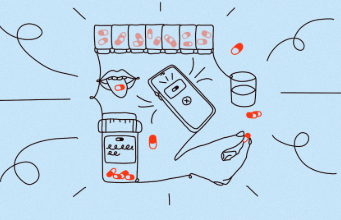
Managing high blood pressure requires more than just getting a prescription; it means taking medication consistently, day after day, often for years. For people with ADHD, that kind of routine can be genuinely difficult. In our new study, published in BMC Medicine, we set out to understand just how much ADHD affects whether people stick with their blood pressure medication, and whether ADHD treatment itself might make a difference.
Why This Question Matters
Hypertension affects nearly a third of adults worldwide and is one of the leading drivers of heart disease and stroke. At the same time, ADHD, long thought of as a childhood disorder, affects around 2.5% of adults and is increasingly recognized as a risk factor for cardiovascular problems, including high blood pressure. Yet no large-scale study had ever examined whether having ADHD affects how well people follow through with their blood pressure treatment. We wanted to fill that gap.
What We Did
We analyzed health records from over 12 million adults across seven countries, Australia, Denmark, the Netherlands, Norway, Sweden, the UK, and the US, who had started antihypertensive (blood pressure-lowering) medication between 2010 and 2020. About 320,000 of them had ADHD. We tracked two things: whether they stopped their blood pressure medication entirely within five years, and whether they were taking it consistently enough (covering at least 80% of days) over one, two, and five years of follow-up.
What We Found
Across nearly all countries, adults with ADHD were more likely to stop their blood pressure medication and less likely to take it consistently. Overall, those with ADHD had about a 14% higher rate of discontinuing treatment within five years, and were 45% more likely to have poor adherence in the first year, a gap that widened to 64% by the five-year mark. These patterns were most pronounced in middle-aged and older adults.
Interestingly, young adults with ADHD were actually slightly less likely to discontinue treatment than their peers without ADHD, a finding we think may reflect the fact that younger people with ADHD are often more actively engaged with healthcare systems, especially given the cardiovascular monitoring that comes with ADHD medication use.
Perhaps the most encouraging finding was this: among people with ADHD who were also taking ADHD medication, adherence to blood pressure treatment was substantially better. Those on ADHD medication were about 38% less likely to have poor adherence at one year, and nearly 50% less likely at five years. While we can't establish causation from this type of study, one plausible explanation is that treating ADHD, reducing inattention and impulsivity, makes it easier to maintain the routines that consistent medication use requires. It's also possible that people on ADHD medication simply have more regular contact with healthcare providers, which keeps other health problems better monitored and managed.
What This Means in Practice
The core ADHD symptoms of inattention and poor organization are precisely the traits that make long-term medication adherence difficult. Add in the complexity of managing multiple disorders and medications, and it's easy to see why people with ADHD face extra challenges. Our findings suggest that clinicians treating adults with ADHD for cardiovascular disorders should be aware of these challenges and consider tailored support strategies, things like regular follow-up appointments, patient education, and tools that help with routine and organization.
There's also a broader message here about the potential ripple effects of treating ADHD well. Supporting someone in managing their ADHD may not just improve their attention and daily functioning; it may also help them take better care of their physical health, including disorders as serious as hypertension.
Future research should explore which specific support strategies are most effective, and whether these findings hold in lower- and middle-income countries where the data don't yet exist.

The Background:
Dementia is a rapidly growing public health problem affecting more than 50 million people worldwide. Nearly 10 million new cases are diagnosed each year, and that number is expected to almost triple by 2050. The most common form is Alzheimer’s disease, accounting for roughly 60–70% of cases, followed by vascular dementia at around 20%. Other types include dementia with Lewy bodies, Parkinson’s disease dementia, and frontotemporal dementia. While no cure exists, managing modifiable risk factors (such as high blood pressure, smoking, physical inactivity, and poorly controlled diabetes) can delay or slow both the onset and progression of the condition.
Several studies have reported an elevated dementia risk among people with ADHD, and a number of mechanisms may explain this association. These include shared genetic or neurobiological vulnerabilities, reduced cognitive reserve (leaving the brain less resilient to age-related damage), and greater lifetime exposure to other established dementia risk factors.
Earlier reviews explored the possible link between ADHD and dementia, but tended toward a broader scope (incorporating other neurodegenerative disorders or mixing study designs), which introduced substantial variability and precluded quantitative synthesis. The relevant research literature has also expanded considerably since those reviews appeared.
The Study:
This meta-analysis restricted inclusion to case-control and cohort studies, yielding five that met the criteria. One was a case-control study with 400 participants; the other four were cohort studies collectively covering 3.7 million individuals, two retrospective and two prospective.
The Results:
Pooling the four cohort studies, individuals with ADHD showed approximately two-and-a-half times the dementia risk of those without the diagnosis. There was no indication of publication bias.
The Take-Away:
The authors concluded that ADHD is associated with a significantly increased risk of all-cause dementia in later life, while noting that its relationship to specific dementia subtypes remains less clear and warrants attention in future research.
.png)
The Background:
Women with polycystic ovary syndrome (PCOS) themselves show higher rates of ADHD. Because ADHD is partly heritable (meaning genes contribute to the condition), some of the increased ADHD seen in children of mothers with PCOS could come from shared genetic factors. In other words, a mother’s and her child’s increased risk might sometimes reflect common genes rather than an effect of the pregnancy itself.
Beyond genetics, growing evidence points to maternal metabolic problems during pregnancy as another important risk factor for neurodevelopmental outcomes. PCOS is one of these conditions and is considered both potentially modifiable (treatable or manageable) and biologically plausible as a contributor to risk. PCOS affects an estimated 5–10% of women of reproductive age worldwide and is characterized by signs such as hyperandrogenism (higher-than-normal levels of “male” hormones), insulin resistance (poorer ability to use the hormone insulin, which can affect blood sugar and metabolism), and chronic low-grade inflammation.
However, studies to date have not all reached the same conclusions. Some research suggests the association between maternal PCOS and offspring ADHD is stronger for girls, while other studies did not analyze results by child sex. Methodological differences make it harder to draw clear conclusions.
The Study:
It’s important to note that the studies included in this meta-analysis were observational (cohort studies and case-control studies). Observational studies can identify associations (that two things occur together) but cannot prove that one causes the other. A cohort study follows people over time, and a case-control study compares people with a condition to similar people without it.
The pooled results came from six studies that together included almost 1.4 million mother–child pairs and that adjusted for confounders (other factors that might influence the result, such as maternal age or socioeconomic status). After statistical adjustment, children of mothers with PCOS had about 40% greater odds of ADHD than children of mothers without PCOS. The analysis reported no evidence of publication bias (no clear sign that only positive studies were published) and zero heterogeneity (the results were consistent across the studies).
There was no meaningful difference in results between cohort and case-control studies, and the meta-analysis did not find a significant difference in the association when comparing male and female offspring.
The Take-Away:
The research team concluded that this large-scale synthesis found an association between maternal PCOS and higher odds of ADHD and other neuropsychiatric conditions in children. They suggested that children born to mothers with PCOS may benefit from developmental monitoring to identify and address problems early, while emphasizing that causal relationships have not been established. They called for further studies to confirm these findings and to investigate the biological and environmental mechanisms that might explain the association. Indeed, because women with PCOS show higher rates of ADHD than other women, we need genetically informed research designs to see if the reported association is confounded.

The Background:
Food insecurity is a widespread public‑health problem. Food insecurity refers to limited or uncertain access to enough safe, nutritious food. This term is used to describe households that sometimes or often can’t afford enough food or can only buy cheaper, less‑healthy options.
In the United States, almost eleven million children and teens (14%) lived in food‑insecure households in 2019. By 2023, the share of households with food‑insecure children and adolescents was estimated to have risen to about 18%.
Food insecurity is linked to worse physical health in children, including conditions like anemia (low red‑blood‑cell count), asthma, and delays in physical or mental development. It is also associated with problems in thinking and conduct (for example, aggressive behavior, anxiety, depression, and trouble concentrating or sitting still).
Those thinking and behavior problems can look a lot like ADHD (persistent patterns of inattention, hyperactivity, and impulsivity. This can make it hard for clinicians to tell whether symptoms come from ADHD itself, from the stress of poverty and food insecurity, or a mix of both. That overlap can complicate diagnosis and sometimes lead to misdiagnosis.
Smaller recent studies have looked at mental‑health links and found higher odds of ADHD and other mental‑health conditions among food‑insecure children aged 5–11 years. In one set of findings, moderate food insecurity was associated with 50% greater odds of an ADHD diagnosis and severe food insecurity with about 67% greater odds relative to food‑secure children.
The Study:
Because many past studies looked at single risk factors or only measured symptom severity, fewer investigations have focused specifically on household food insecurity as it relates to actual ADHD diagnoses and how that might matter for care. To address that gap, researchers used multiple years (2016–2022) of data from the U.S. National Survey of Children’s Health (NSCH). This survey is designed to be nationally representative and asks parents about their child’s health, including whether a doctor or other clinician has diagnosed ADHD.
The study included 232,571 children and adolescents (ages 3–17) and used statistical methods to adjust for other factors that could affect ADHD risk. Those factors included the child’s sex and race/ethnicity; the mother’s age; family income expressed as a percentage of the federal poverty level (a government measure used to classify income groups); the highest level of parent education; adverse childhood experiences (such as exposure to abuse, household substance use, or parental separation); birthweight (for example, low birthweight); and not getting enough sleep. Adjusting for these variables helps isolate the association between food insecurity and ADHD, though it cannot prove cause and effect.
The Results:
In this large, nationally representative sample, the researchers found a clear dose–response relationship: as the level of household food insecurity increased, so did the odds of a child having a clinician‑diagnosed ADHD (as reported by parents). In other words, greater food insecurity was linked to a higher likelihood of ADHD.
Compared with children in households that “could always afford to eat good, nutritious meals” (the reference group), the study found the following increases in odds of ADHD: children in households that “could always afford enough to eat but not always the kinds of food we should eat” had about 30% greater odds; children in households that sometimes “could not afford enough to eat” had about 55% greater odds; and children in households that often “could not afford enough to eat” had about 80% greater odds. (Saying “30% greater odds,” etc., means the odds were 1.30, 1.55, and 1.80 times those of the reference group, respectively — this describes a relative increase, not the absolute percentage of children with ADHD.)
The Take-Away:
The authors conclude that household food insecurity was associated with higher odds of parent‑reported clinician‑diagnosed ADHD in a dose‑response pattern. They suggest that reducing food insecurity (for example, ,by improving access to nutritious food and combining nutritional supports with mental‑health care) may help lower ADHD risk or reduce symptoms in some children. Reducing food insecurity should be a priority for society, but it is premature to conclude it will reduce the risk for ADHD. We know that parents with ADHD are more likely to lose their jobs and have lower incomes compared to parents with ADHD. That might create food insecurity for their children who we know are at high risk for ADHD from genetic studies.


_logo%201.svg)
